
Chinese New Year: Traditions and Celebrations
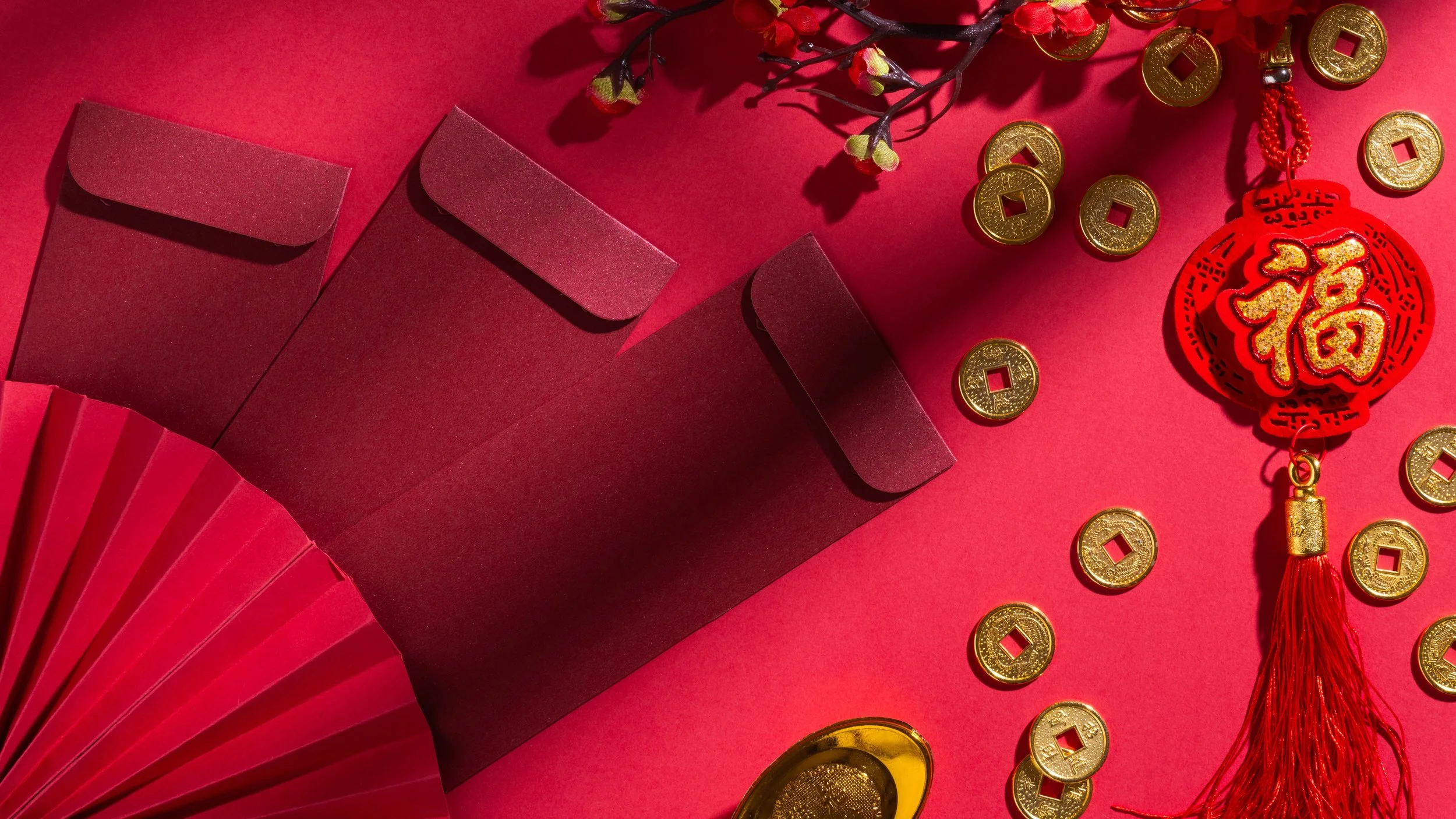
Chinese New Year — also called the Spring Festival (春节 / Chūnjié) or Lunar New Year is the most important traditional holiday in China. It marks the beginning of the lunar calendar, and is a time for family, renewal, and cultural celebration that can last up to 15 days.
Before Chinese New Year: Preparation and Renewal
Deep Cleaning the Home (大扫除 dà sǎo chú)
In the days leading up to New Year’s Eve, families do a thorough cleaning of the home to sweep away bad luck and make space for good fortune. This includes sweeping floors, washing household items, and removing dust and cobwebs. This should be finished before New Year’s Day, because cleaning during the festival itself is believed to sweep away newly arrived good luck.
Decorating with Red and Lucky Symbols (装饰与吉祥物 zhuāngshì yǔ jíxiáng wù)
After cleaning, homes are decorated with bright red decorations, since red is believed to attract good fortune and protect against evil spirits.
Common items include:
Spring couplets (春联 / chūnlián) — pairs of red paper strips with blessings written in black ink
福 (fú / fú) — the character for “blessing” or “good fortune,” often hung upside down to signify “fortune has arrived”
Red lanterns (红灯笼 / hóng dēnglóng) and paper cuttings (窗花 / chuānghuā) to fill doorways and windows with auspicious imagery.
Shopping for New Year Goods (买年货 mǎi niánhuò)
In the period before the New Year, families shop for essentials like:
Grocery items and festive foods
New clothes (typically bright colors like red)
Gifts and red envelopes (红包 / hóngbāo)
This period is known for lots of street markets and street stalls selling flowers, snacks, and decorations.
Personal Grooming and Other Traditions (个人准备与仪式 gèrén zhǔnbèi yǔ yíshì)
Haircuts (理发 / lǐfà) and hair washing (洗头 / xǐtóu) are often done before New Year because cutting hair during the festival is thought to cut away good luck.
Traditional beliefs also encourage people to settle debts and avoid lending money right before or during the first days of the New Year, so no financial burdens carry into the new cycle.
Special Regional Rituals Before New Year (春节前的地区习俗 Chūnjié qián de dìqū xísú)
Some communities observe customs like honoring the Kitchen God (灶神 / zào shén) or eating Làbā congee (腊八粥 / làbā zhōu) on the Làbā Festival (around the eighth day of the 12th lunar month), seen as a symbolic beginning of season’s celebrations.
New Year’s Eve: Reunion and Festivities
Family Reunion Dinner (年夜饭 nián yè fàn)
New Year’s Eve centers around a big family meal, the most important of the year. Generations travel long distances to eat together. Dishes often have symbolic meanings:
Fish (鱼 / yú) for abundance (not fully eaten to symbolize surplus)
Dumplings (饺子 / jiǎozi) for wealth
Rice cakes (年糕 / niángāo) for progress and growth.
Staying Up Late (守岁 shǒusùi)
After dinner, families stay up late together to welcome the New Year. This tradition, known as 守岁, is believed to bring longevity and luck, especially for elders. Today, many watch the Spring Festival Gala (春节联欢晚会 / Chūnjié Liánhuān Wǎnhuì) as part of the evening’s festivities.
During Chinese New Year: Celebration and Tradition
Red Envelopes (红包 hóngbāo)
One of the most beloved traditions is giving red envelopes with money, especially to children and unmarried young adults. This gesture symbolizes blessings for health, luck, and prosperity. Digital red envelopes via apps like WeChat are now also common.
Fireworks and Firecrackers (鞭炮 biānpào)
Fireworks and firecrackers are set off to scare away evil spirits and welcome good luck. Urban areas may restrict private firecrackers today for safety and pollution reasons, but public fireworks and festive displays remain a core part of celebrations.
Lion and Dragon Dances (舞狮与舞龙 wǔ shī yǔ wǔ lóng)
Colorful lion and dragon dances are performed in parades, celebrations, and temple fairs. These performances are believed to bring good luck and chase away negativity.
Visiting Family and Friends (拜年 bàinián)
In the days following New Year’s Day, people visit relatives and friends to exchange greetings and blessings. Common phrases include:
新年快乐 (xīnnián kuàilè) — “Happy New Year!”
恭喜发财 (gōngxǐ fācái) — “Wishing you prosperity”
Temple Visits and Ancestor Worship (寺庙参拜与祭祖 sìmiào cānbài yǔ jìzǔ)
People often visit temples to pray for health, success, and peace in the year ahead. Some families also honor ancestors with offerings, reinforcing the value of family continuity and heritage.
Lantern Festival (元宵节 Yuánxiāo Jié)
Chinese New Year celebrations traditionally end on the 15th day of the lunar calendar with the Lantern Festival. Families light lanterns, eat sweet rice balls (汤圆 / tāngyuán) symbolizing reunion and completeness, and enjoy public lantern displays.